* Cet article est rédigé en anglais. Vous pouvez facilement le traduire en faisant un clic droit (PC/Mac) ou en tapotant les trois points en bas à droite (Phone).
The Little Black Dress reduces the rich tapestry of female identity to a monochrome silhouette, in favour of a controlled aesthetic.
The origin of the LBD.
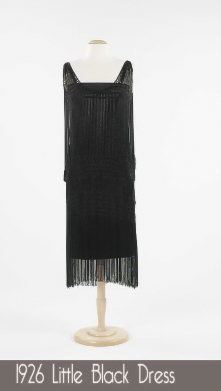
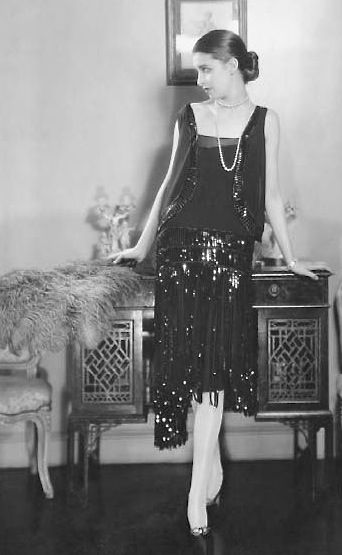
The modern concept of the Little Black Dress began in 1926, when Coco Chanel published a simple, calf-length black dress in American Vogue. The magazine called it “Chanel’s Ford”, comparing it to the Model T car for its simplicity, accessibility, and potential to become a universal staple for women of all social classes.
In fact before Chanel, black dresses were primarily associated with mourning or worn by working-class women and domestics. Chanel redefined black as a colour of elegance, sophistication, and versatility, making it acceptable for everyday and evening wear. Her design was a response to the restrictive fashions of the time, offering a practical, affordable, and timeless alternative.
So, the endorsement of American Vogue magazine cemented the place of the Little Black dress in fashion history.
Was the Little Black Dress a marketing ploy?
Yes, in part. Vogue’s 1926 feature of Chanel’s dress was a strategic marketing move and she predicted that it would become : “a sort of uniform for all women of taste.”
In fact, the comparison to the Model T car simple, mass-market, and revolutionary was deliberate, positioning the LBD as a must-have item. The LBD’s rise was also tied to social and economic shifts : the Great Depression’s demand for affordable fashion. Hollywood also played a role: black dresses were practical for early Technicolor films (other colours distorted on screen), further boosting the popularity of the LBD.
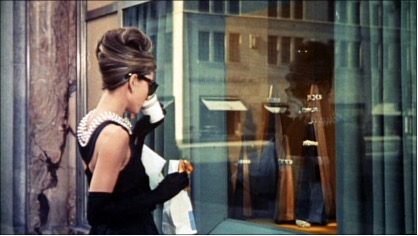
At the time Chanel’s designs and the LBD were a feminist statement, liberating women from corsets and elaborate gowns.
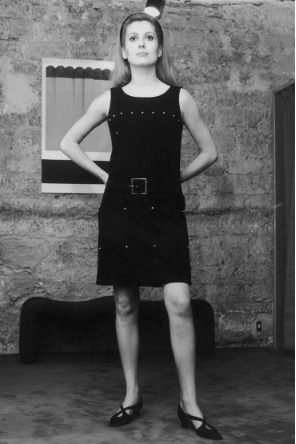
What does the LBD represent today?
What does it mean when a single garment is deemed universally appropriate for all occasions, all body types, and all personalities?
The Little Black Dress is often celebrated as a timeless emblem of elegance, versatility, and empowerment. Yet, beneath its sleek surface for me the LBD is not a symbol of liberation, but an imposed uniform. It is a garment that, despite its apparent simplicity, reinforces the patriarchal expectation that women should be seen but not heard, noticed but not notable, interchangeable rather than individual.
The Little Black Dress does not empower us; it makes us invisible.
The Little Black Dress and Sara Moon.
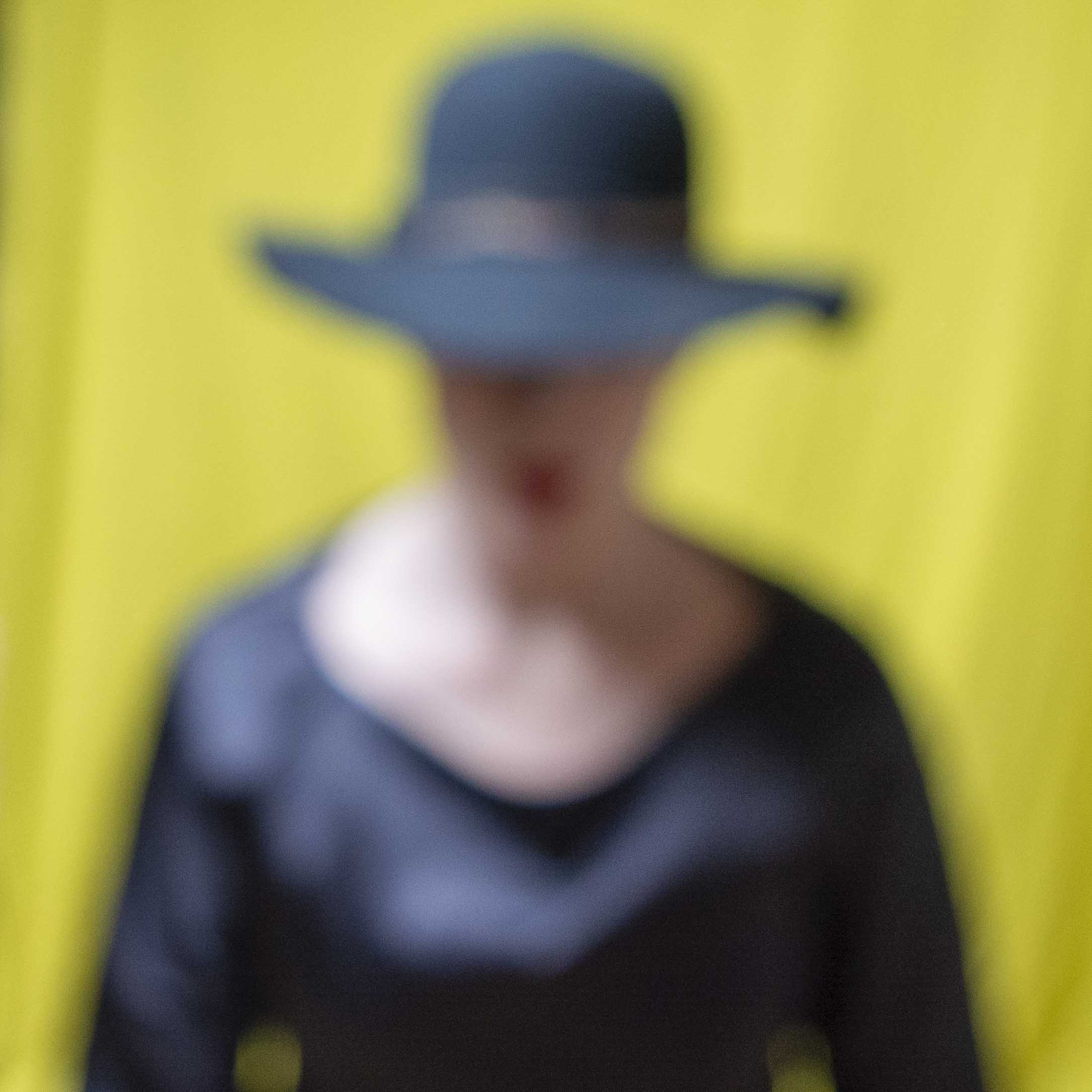
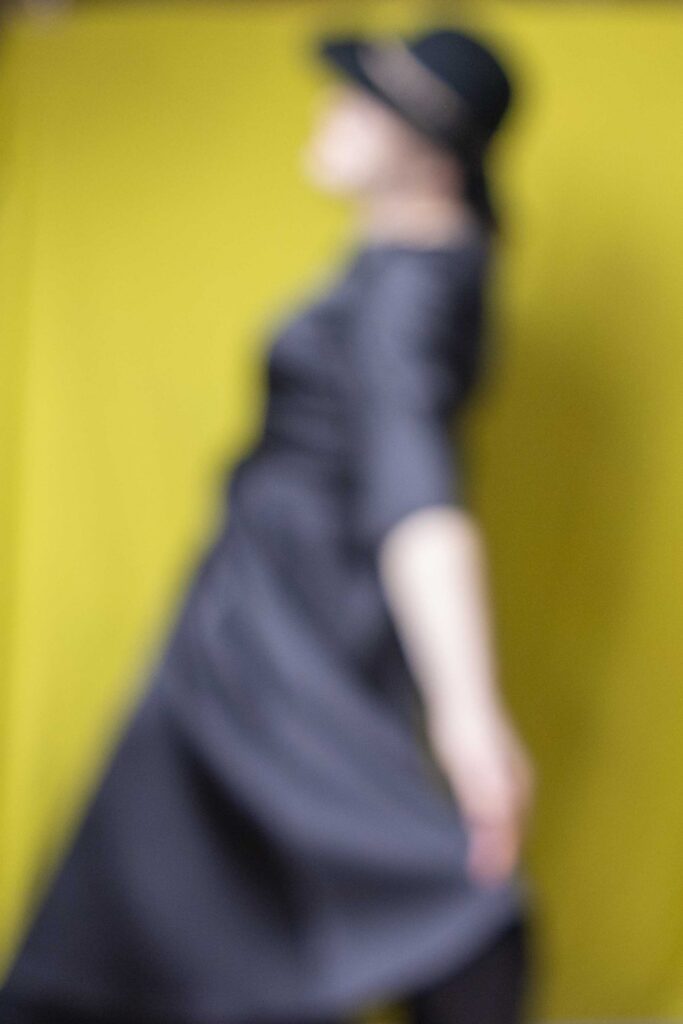
I created this series of autoportraits in the style of Sara Moon, (1941 – ) the French photographer, who worked in fashion photography in the 1970s creating her instantly recognisable blurred aesthetic. Since 1985, she has concentrated on gallery and film work.
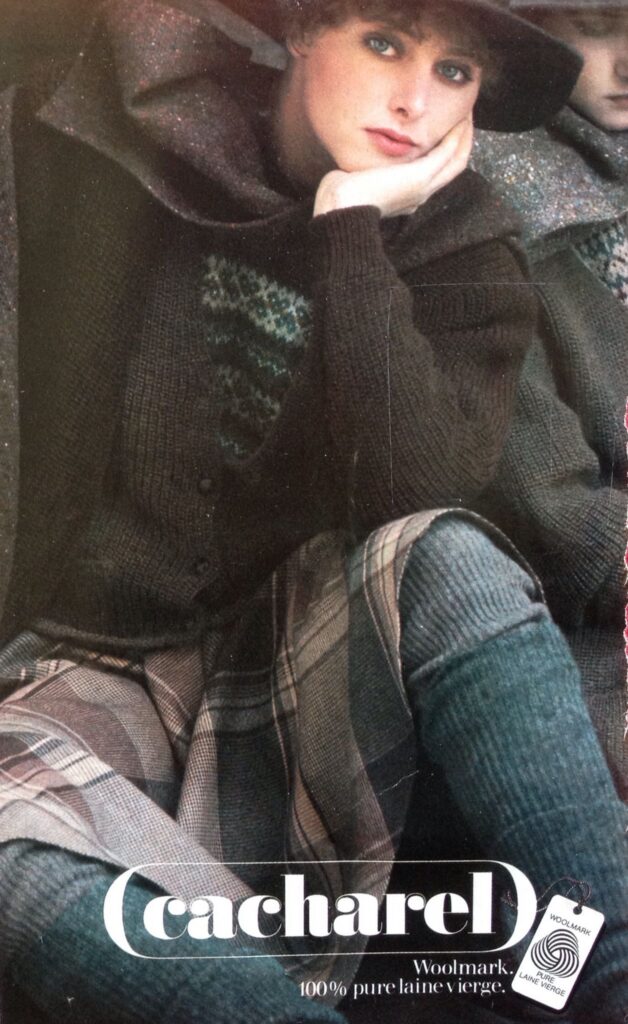
Autoportraits in a Little Black Dress.
At the time I had a small studio space in our loft, where I could only stand in the middle. I’ve always admired Sara Moon’s work and my initial motivation for this series was to try to imitate her work.
However, I grew up in England during the 70s and 80s when punk fashion and the eccentricities of the infamous designer Vivienne Westwood were celebrated. So when I came to live in France and saw that all my female French friends dressed in black for every and any special occasion, I started to question the celebrated French Chic and the very conservative uniform that both men and women wear.
Fashion vs Feminism.
For decades women have been influenced into a narrow definition of what fashion is acceptable.
The LBD reinforces the idea that women should conform to a specific ideal, one that is unobtrusive, unchallenging, and ultimately compliant. The dress does not invite conversation; it silences it. It does not demand attention for the wearer’s ideas or achievements. For me the LBD reduces the rich tapestry of female identity to a monochrome silhouette, stripping away individuality in favour of a collective, controlled aesthetic.
*********
You can see my series The Little Black Dress here on the Gallery Page.
All photos are available for purchase – See the Print Prices Page.
